Health & Wellness
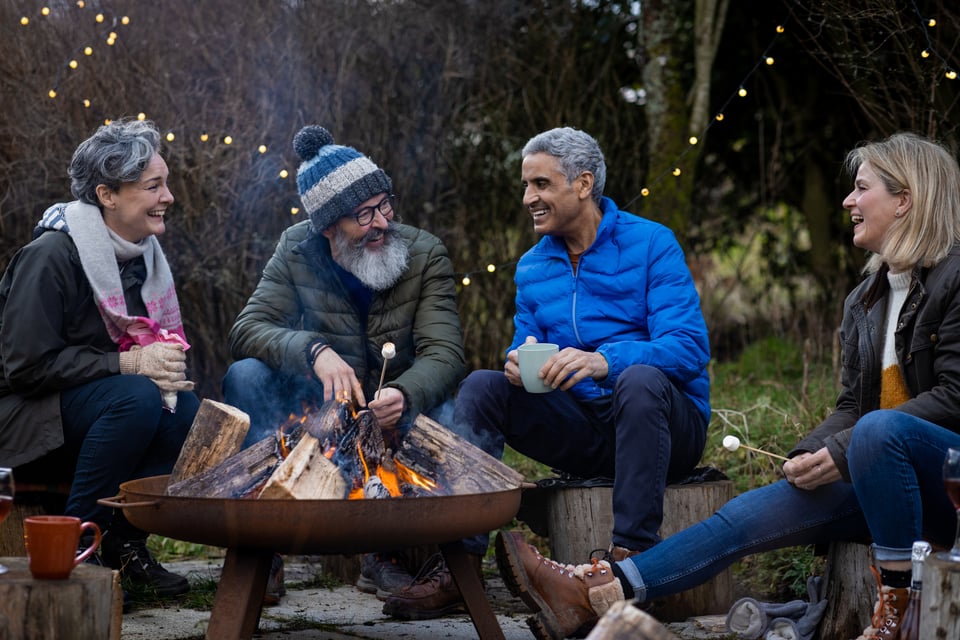 What’s summer without summer camp? If you immediately think of kids singing songs, making crafts, exploring nature, and learning new skills, think again! Camp isn’t just for the young – it’s for the young at heart, too.
As people live longer, helping older adults stay physically active, socially connected, and mentally engaged is critical to quality of life. One of the most enjoyable ways to do that is through lifelong learning.
Learning matters at any age
Learning does more than pass the time. It challenges the brain, encourages social interaction, boosts confidence, and creates opportunities for fun and discovery. In fact, both the United Nations and the World Health Organization consider lifelong learning a key component of healthy aging. Learning new skills and staying mentally engaged can help older adults maintain independence, participate in their communities, and support overall well-being. Cognitive stimulation is associated with better cognitive function later in life and helps strengthen the brain's ability to adapt and build new connections. Plus, exploring a new hobby, mastering a skill, or sharing experiences with others can increase confidence, create a sense of accomplishment, and reduce feelings of isolation.
Building your own summer camp
Learning does not only have to happen in a classroom. Some of the most meaningful learning experiences happen through conversations, creative projects, and everyday exploration. And camp-style activities naturally support cognitive health while feeling enjoyable rather than educational.
The best camp experiences are simple, flexible, and fun. They focus on participation and enjoyment instead of performance or achievement. Activities can last 10 minutes or an entire afternoon depending on interest and energy levels. Some common camp themes include:
- Music. Research has found that music can support memory, mood, and social connection. Familiar songs may trigger memories, while learning new music challenges attention and concentration. Music activates multiple areas of the brain at the same time. Try:
- Creating themed playlists
- Learning simple percussion rhythms
- Hosting a sing-along
- Exploring music from different countries
Mobility adaptation: Most activities can be done seated individually or in groups.
- Stories. Storytelling exercises memory, language, creativity, and communication skills. Sharing stories also helps preserve family history and strengthen relationships. Try:
- Memory-sharing circles
- Creating fictional stories together
- Recording family history interviews
- Using old photographs as conversation starters
Mobility Adaptation: All activities can be completed while seated or remotely through phone or video calls.
- Nature. Spending time in nature has been linked to lower stress levels and improved emotional well-being. Nature also encourages curiosity and observation. Try:
- Birdwatching
- Container gardening
- Nature photography
- Naming local plants and flowers
Mobility Adaptation: Nature experiences can range from outdoor walks to watching wildlife from a porch, patio, or window.
- Language and culture. Learning even a few words in another language challenges memory and attention. Exploring another culture also encourages curiosity and broadens perspectives. Try:
- Learning common greetings in another language
- Exploring international recipes
- Listening to music from around the world
- Watching travel documentaries
Mobility Adaptation: Activities can be completed independently, virtually, or with family members.
- Creative arts. Art encourages problem-solving, self-expression, and imagination. The process often matters more than the final product. Try:
- Watercolor painting
- Collage making
- Sketching
- Craft projects using household items
Mobility Adaptation: Activities can be adapted for seated participation and varying levels of dexterity.
You can also expand the camp theme for a week full of activities. Consider:
- Music Around the World
- Backyard Nature Exploration
- Family History Week
- Creative Arts Festival
- Travel Without Leaving Home
Mix individual activities with opportunities for social connection whenever possible.
Camp counselors welcome
Families and caregivers can play a fun role in making Senior Summer Camp successful. Think of yourself as a camp counselor creating opportunities for discovery and connection. But don’t crowd the calendar too much! Caregivers can:
- Gather supplies
- Adapt activities for mobility or sensory needs
- Encourage participation without pressure
- Invite friends or family members to join
- Celebrate effort and curiosity rather than results
Remember to let older adults help shape the camp experience. Ask what interests them and follow their curiosity. Intergenerational participation can make activities even more meaningful. Younger participants can teach technology skills, help create art projects, share favorite music, or take part in storytelling activities.
International Friendship Day on July 30 is a great excuse to create a senior summer camp for older friends in the neighborhood and in our lives. Shared camp activities can create connections across generations and communities.
The best camp is the one people want to attend.
###
Sources: UW-Madison; APA; Sage Open Aging; WHO; The Washington Post; UNESCO; UN Decade of Healthy Aging;
.webp?width=352&name=download%20(9).webp)
.webp?width=352&name=download%20(5).webp)